Air Purifiers and HVAC Efficiency: What Homeowners Need to Know
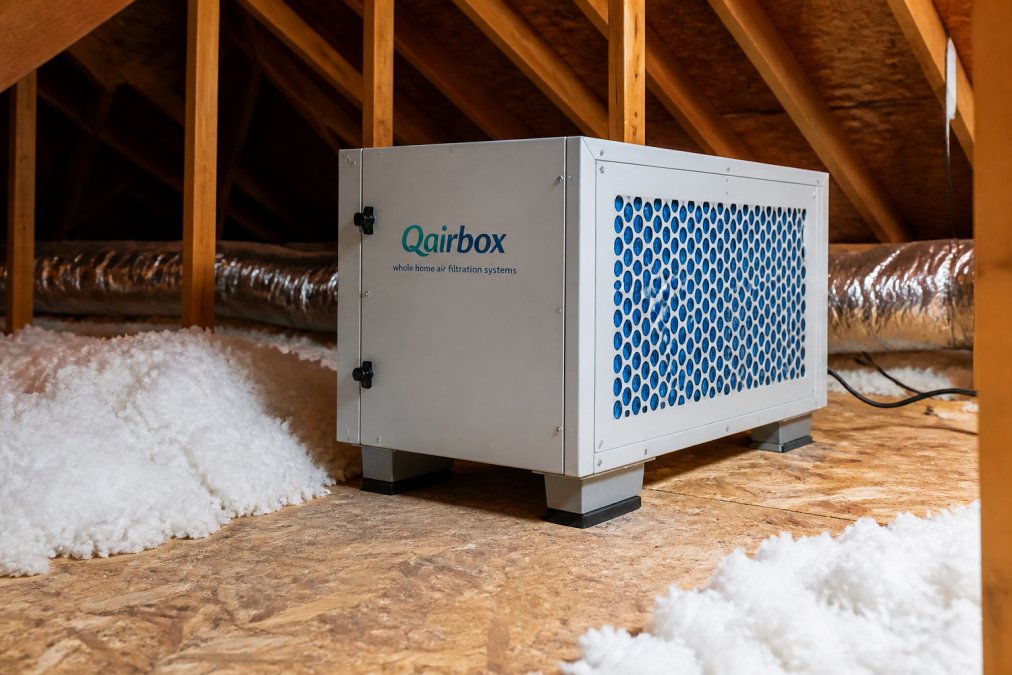
Table of Contents
- How Air Purifiers Can Affect HVAC System Performance
- Understanding HVAC System Airflow Restrictions
- The Difference Between In-Duct and Standalone Purification
- Whole-Home Air Purification Benefits Without System Strain
- Protecting Your HVAC Lifespan and Reducing Maintenance
- Making the Right Choice for Your Home
- Conclusion
Last Updated: August 14, 2026
How Air Purifiers Can Affect HVAC System Performance
When homeowners consider adding air purifiers to their homes, a critical question surfaces: can air purifiers affect HVAC efficiency? The answer depends entirely on the type of purification system you choose. Traditional in-duct air purifiers that integrate with your existing HVAC system can create measurable strain on your heating and cooling equipment, while standalone whole-home air purification systems operate independently and eliminate this concern entirely.
The relationship between air purification and HVAC performance centers on one fundamental principle: airflow resistance. When additional filtration layers are introduced into the path of conditioned air, your HVAC system must work harder to push that air through your home. This increased workload affects everything from energy bills to the lifespan of critical components like your blower motor and evaporator coils.
The Role of Airflow Resistance
Airflow resistance occurs whenever air must pass through a filter or purification medium. In-duct purification systems add this resistance directly to your ductwork, forcing your HVAC system's blower motor to expend additional energy moving air through the extra filtration layer. Higher-efficiency filters naturally create more resistance than standard furnace filters. Your HVAC system must overcome this resistance to maintain adequate air circulation throughout your home, which directly increases energy consumption and puts stress on mechanical components.
Static Pressure and Blower Motor Strain
Static pressure is the force your HVAC system's blower motor must generate to push conditioned air through your ductwork and filters. When you add restrictive filtration to your system, static pressure increases. Your blower motor must work harder, running longer cycles to maintain the same air delivery rate. This continuous additional strain accelerates wear on the motor, bearings, and electrical components.
Over time, elevated static pressure can lead to premature blower motor failure. The motor runs hotter, consumes more electricity, and experiences mechanical stress that shortens its operational lifespan. In homes with sealed ductwork common in desert climates, where air tightness is essential for energy efficiency, static pressure problems become even more pronounced because the system has less flexibility to bypass resistance.
Understanding HVAC System Airflow Restrictions
Your entire ductwork system, from the return vents to the air handler to the supply registers, creates a network of resistance points. When you introduce additional filtration into this already-complex system, you're adding another significant resistance point.
Why Airflow Matters for System Longevity
Adequate airflow is essential for your HVAC system's health and longevity. When airflow becomes restricted, the evaporator coil, the component responsible for cooling air in your air conditioning system, depends on consistent airflow to function properly. Restricted airflow means air moves more slowly across the coil, which can cause the coil temperature to drop excessively. This creates conditions for moisture to freeze on the coil surface, a phenomenon called "coil freeze." When this happens, the coil becomes blocked, airflow decreases further, and your system can fail entirely.
Restricted airflow also affects thermal comfort throughout your home. Rooms farther from the air handler receive less conditioned air, creating hot and cold spots. Your system runs longer trying to reach thermostat setpoints, increasing energy consumption without improving comfort. In desert homes where temperature control is critical for managing extreme heat, this effect becomes particularly noticeable.
Energy Consumption and Operating Costs
The relationship between airflow resistance and energy consumption is direct and measurable. Your HVAC blower motor consumes electricity proportional to the work it must perform. When static pressure increases due to restrictive filtration, the motor draws more current and runs for longer periods. Over the course of a heating or cooling season, this additional consumption becomes significant.
In climates with extended cooling seasons, particularly relevant for desert regions, this extra work translates to measurable increases in your monthly energy bills. For allergy-sensitive households that run their systems continuously to maintain air quality, this cost multiplier becomes even more significant.
The Difference Between In-Duct and Standalone Purification
Not all air purification approaches affect your HVAC system equally. This distinction is crucial for homeowners trying to improve indoor air quality without compromising system efficiency.
In-duct air purifiers integrate directly into your existing HVAC ductwork. They sit within the air handler or within supply or return ducts, forcing all conditioned air to pass through their filtration mechanism. This integration approach creates the airflow resistance and static pressure problems discussed above. Your blower motor must account for it every time your system runs.
Standalone whole-home air purification systems operate completely independently of your HVAC infrastructure. These systems have their own air intake, their own purification mechanism, and their own circulation method. They don't connect to, modify, or integrate with your existing HVAC system. Your furnace and air conditioning system operate exactly as designed, without any additional resistance or strain. The standalone system works in parallel, circulating and purifying air through its own dedicated pathway.
This fundamental difference explains why standalone systems eliminate the efficiency concerns that plague in-duct approaches. Your HVAC system doesn't know the standalone purifier exists. It continues operating at its designed airflow rate, maintaining proper static pressure, and consuming electricity at its rated efficiency level. Meanwhile, the standalone system independently addresses indoor air quality without creating mechanical burden on your heating and cooling equipment.
Whole-Home Air Purification Benefits Without System Strain
Standalone whole-home air purification delivers comprehensive indoor air quality improvement while preserving your HVAC system's performance and longevity. This approach addresses the core problem homeowners face: how to reduce airborne particles, odors, and chemical irritants throughout their entire home without compromising the efficiency of their heating and cooling equipment.

How Standalone Systems Protect Your HVAC
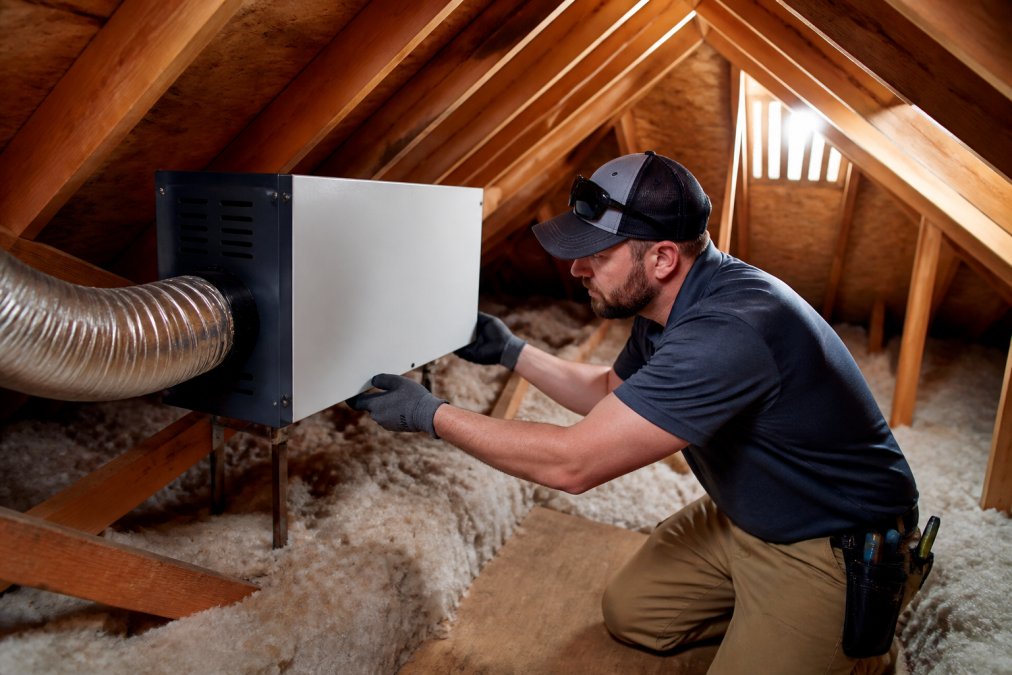
Standalone whole-home air purification systems like Qairbox operate on a completely separate circuit from your HVAC infrastructure. Installed in the attic or another out-of-sight location, these systems draw air from your home, pass it through their purification mechanism, and return clean air back to your living spaces. Your HVAC system continues its normal operation without any modification or additional load.
This independence provides several protective advantages. Your blower motor never experiences the increased static pressure that comes with in-duct filtration. It continues operating at design specifications, consuming electricity at its rated efficiency level. Your evaporator coil receives air at normal velocities, preventing the freeze-up conditions that can occur when airflow becomes restricted. Your system maintains proper thermal comfort because airflow rates remain consistent with original design specifications.
Standalone systems also run continuously on their own schedule, purifying air 24/7 regardless of whether your HVAC system is operating. This means consistent indoor air quality throughout the year, not just during heating and cooling seasons.
Maintaining Indoor Air Quality and Thermal Comfort
The goal of any air purification strategy should be improving indoor air quality while maintaining the thermal comfort your HVAC system provides. In-duct systems create a trade-off: they improve air quality but degrade system efficiency and thermal comfort. Standalone systems eliminate this trade-off entirely.
Hospital-grade purification technology in standalone systems captures and removes airborne particles, odors, and chemical irritants with exceptional efficiency. For allergy-sensitive households, particularly those with young children or older adults, this comprehensive purification directly addresses health concerns. The system reduces dust accumulation, minimizes allergen circulation, and removes volatile organic compounds and other chemical irritants that can trigger respiratory issues or allergic reactions.
Simultaneously, your HVAC system maintains optimal performance. Your air conditioning system delivers consistent, reliable cooling throughout your home. Thermal comfort remains stable across all rooms. Your energy bills reflect only the modest consumption of the standalone purification system itself, not the compounded burden of an HVAC system working against increased resistance.
Protecting Your HVAC Lifespan and Reducing Maintenance
Your HVAC system represents one of the largest investments in your home. Protecting that investment through smart operational choices pays dividends over decades.
Dust Accumulation on Evaporator Coils
The evaporator coil is where your air conditioning system removes heat and humidity from indoor air. It's also where airborne dust and particulates accumulate. In homes without effective air purification, dust builds up on coil surfaces over time. This accumulation restricts airflow across the coil, reducing cooling efficiency and increasing energy consumption. Eventually, professional cleaning becomes necessary, an expensive service call.
Effective air purification reduces dust and particulate matter circulating through your home's air. When fewer particles are suspended in the air, fewer particles reach your evaporator coil. This means the coil stays cleaner longer, maintains better airflow, and requires less frequent professional maintenance.
Preventative Maintenance and System Performance
Preventative maintenance extends HVAC system lifespan and maintains efficiency. However, systems operating under increased static pressure from restrictive filtration require more frequent maintenance. Filters clog faster when static pressure is high. Motors need inspection more often. Professional cleaning becomes necessary more frequently.
By choosing a standalone air purification approach, you reduce the maintenance burden on your HVAC system. Your equipment operates at design specifications, experiencing normal wear patterns. Standard maintenance schedules remain appropriate. You avoid the accelerated component degradation that comes with operating against elevated static pressure.
This maintenance advantage compounds over your system's lifetime. A system that operates normally for 15-20 years without premature component failure saves thousands of dollars in unexpected repair costs.
Making the Right Choice for Your Home
Choosing an air purification strategy requires weighing multiple factors: effectiveness at removing contaminants, impact on HVAC efficiency, maintenance requirements, and long-term cost of ownership.
For homeowners in desert climates with tightly sealed homes, the case for standalone whole-home air purification becomes particularly clear. These homes already push their HVAC systems hard to manage extreme temperature swings. Adding in-duct filtration that increases static pressure and energy consumption works against your home's efficiency profile. A standalone system delivers comprehensive air quality improvement without this efficiency penalty.
For allergy-sensitive households and homes with young children or older adults, continuous air purification matters more than seasonal purification. Standalone systems running 24/7 maintain consistent indoor air quality regardless of HVAC operation.
For homeowners concerned about long-term HVAC system longevity and maintenance costs, standalone systems provide clear advantages. Your existing equipment continues operating at design specifications, experiencing normal wear, and requiring standard maintenance. You avoid the cascading problems that come with elevated static pressure: accelerated motor wear, evaporator coil freeze-up risk, reduced thermal comfort, and higher energy bills.
The question of whether air purifiers affect HVAC efficiency has a straightforward answer: in-duct systems do affect efficiency negatively, while standalone systems do not. By choosing a standalone whole-home air purification system installed in your attic, you gain comprehensive air quality improvement without compromising the performance or longevity of your existing HVAC infrastructure. Your system operates as designed, your energy consumption remains predictable, and your home maintains consistent indoor air quality and thermal comfort throughout the year.
Improving indoor air quality shouldn't require sacrificing HVAC efficiency or accepting higher energy bills. A standalone whole-home air purification system addresses the root problem, airborne particles, odors, and chemical irritants, without creating mechanical burden on your heating and cooling equipment. Qairbox delivers hospital-grade purification throughout your entire home from an attic-mounted system that operates independently, runs quietly 24/7, and requires minimal maintenance. Discover how whole-home air purification can protect your HVAC system while transforming your home's air quality. Learn more about indoor air quality standards from EPA guidance
Frequently Asked Questions
Can using an air purifier put extra strain on my central air system?
It depends on the type. In-duct purifiers that integrate with your HVAC can increase static pressure and force your blower motor to work harder, raising energy consumption and potentially shortening system lifespan. Standalone whole-home air purification systems operate independently, so they don't add strain to your existing HVAC. They work alongside your system without modifying it, letting your HVAC run normally while the purifier handles filtration separately.
Will adding air purification affect my energy bills?
In-duct systems can increase energy costs because the HVAC blower must overcome added airflow resistance, running longer to maintain air circulation. Standalone whole-home air purification systems have their own power draw but don't force your HVAC to work harder. This approach typically results in lower overall energy impact than modifying your existing system, since your HVAC operates at its designed efficiency while the purifier runs on its own schedule.
What are the benefits of whole-home air purification without impacting HVAC efficiency?
Standalone whole-home air purification systems deliver hospital-grade filtration throughout your home without touching your HVAC. They reduce airborne particles, dust, odors, and chemical irritants independently, so your system maintains its original airflow, efficiency, and lifespan. This approach is ideal for allergy-sensitive households and desert homes where tight sealing and dust accumulation are concerns. You get cleaner air without energy penalties or HVAC strain.
Can I use an air purifier with my existing HVAC system?
Yes, but the method matters. In-duct purifiers retrofit into your ductwork and can restrict airflow. Standalone whole-home systems work alongside your HVAC without any connection or modification, they're installed separately and operate independently. This means your existing HVAC system continues to function normally while the standalone purifier handles air purification. You get the benefits of both systems without compromising either one.