How to Remove Cooking Smells Fast: 7 Proven Methods
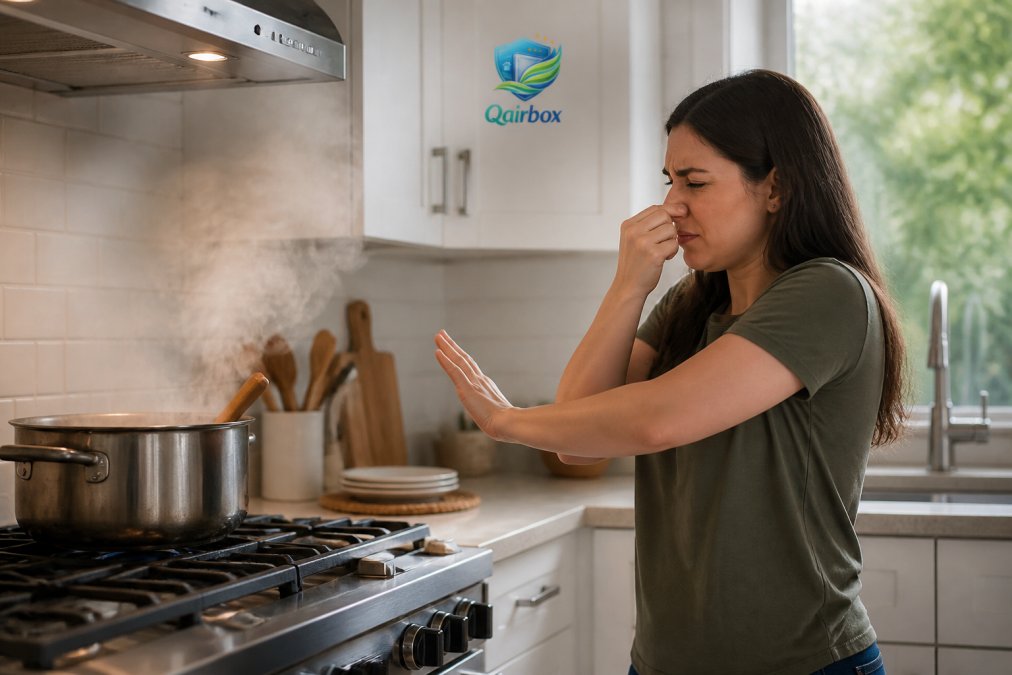
Table of Contents
- Why Cooking Smells Linger and Spread
- Method 1: Maximize Ventilation and Air Circulation
- Method 2: Use Distilled White Vinegar to Neutralize Odors
- Method 3: Absorb Odors with Baking Soda
- Method 4: Simmer Pot to Neutralize Airborne Particles
- Method 5: Install Charcoal Filters and Air Purifiers
- Why Is Indoor Air Quality Important for Your Home
- How to Improve Indoor Air Quality in a House Beyond Quick Fixes
Last Updated: August 17, 2026
Why Cooking Smells Linger and Spread
Cooking odors don't just disappear when you finish dinner. They cling to fabrics, settle into walls, and circulate through your home for hours, sometimes days. The reason is chemistry: when you cook, especially with strong-smelling foods like fish, garlic, or fried dishes, you release volatile organic compounds into the air. These microscopic particles are light enough to float, persistent enough to absorb into porous surfaces, and stubborn enough to resist basic ventilation.
The problem gets worse in tightly sealed homes, which are common in hot climates where air conditioning runs constantly. Sealed homes keep cool air in, but they also trap cooking odors inside. Without proper air circulation, those odor molecules just keep bouncing around your kitchen and spreading to adjacent rooms. For families with allergy-sensitive members or young children, lingering cooking smells can trigger respiratory irritation or worsen air quality throughout the entire house.
Understanding how cooking smells behave is the first step to neutralizing them fast. Some methods absorb odors, others neutralize them chemically, and still others rely on ventilation and air circulation to push them out. The most effective approach combines multiple tactics, and knowing which ones work best for your situation makes all the difference.
Method 1: Maximize Ventilation and Air Circulation
The fastest way to remove cooking smells is to get them out of your home. Open windows and doors immediately after cooking to create cross-ventilation. Fresh air from outside dilutes indoor odors and pushes stale air out. Even in hot climates, cracking a window for 15-20 minutes during or right after cooking makes a measurable difference.
If opening windows isn't practical, use exhaust fans aggressively. Turn on your range hood or kitchen exhaust fan during cooking and leave it running for at least 15 minutes after you finish. If you have a whole-house fan, run that too, it pulls fresh air through your home and exhausts stale air outside far more effectively than opening windows alone. Position portable fans to move air from the kitchen toward open windows or exhaust points.
The key is understanding airflow. Odor molecules move with air currents. If air is stagnant, odors settle. If air is moving toward an exit, odors leave. For families dealing with persistent cooking smells, especially in sealed desert homes, relying only on occasional ventilation isn't enough. This is where whole-home air purification systems become valuable, they work 24/7 to circulate and filter air continuously, not just when you're cooking.
Method 2: Use Distilled White Vinegar to Neutralize Odors
Distilled white vinegar is one of the most effective household solutions for neutralizing cooking odors. The acidity in vinegar chemically breaks down odor molecules rather than just masking them. Pour white vinegar into a spray bottle and spray it lightly around your kitchen, on countertops, near the stove, and in the air itself. You can also simmer a small bowl of vinegar on the stove for 10-15 minutes to neutralize airborne particles throughout a larger area.
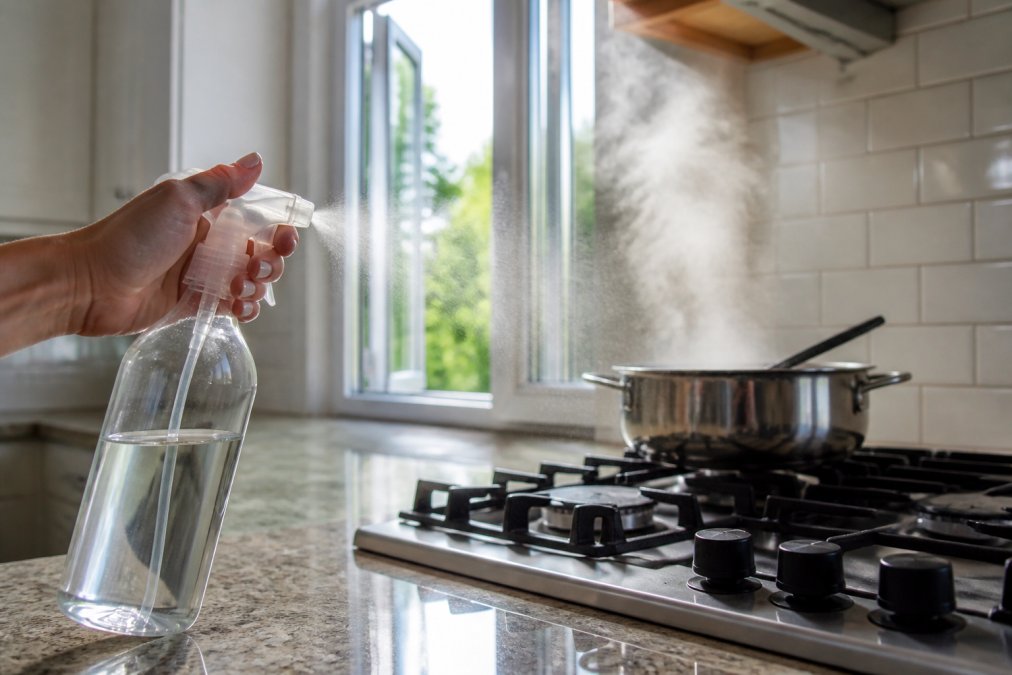
The smell of vinegar itself is strong, but it dissipates quickly, usually within an hour, and takes cooking odors with it. For stubborn smells, place open bowls of white vinegar around your kitchen and leave them overnight. The vinegar will absorb and neutralize residual odors from surfaces and the air. This method works particularly well for fried food odors, which are among the most persistent cooking smells.
One practical note: vinegar works best as a complement to ventilation, not a replacement. Use it alongside open windows or exhaust fans for faster results. The combination of removing stale air and neutralizing remaining odor molecules is more effective than either method alone.
Method 3: Absorb Odors with Baking Soda
Baking soda is an alkaline powder that absorbs odor molecules rather than neutralizing them chemically. Sprinkle baking soda on kitchen surfaces, in the sink, and on any fabrics that might have absorbed cooking smells, like kitchen towels or curtains. Leave it for 15-30 minutes, then vacuum or wipe it away. For lingering smells in your kitchen, place open boxes or bowls of baking soda around the room and leave them for several hours or overnight.
You can also mix baking soda with a small amount of water to create a paste and apply it to surfaces where cooking odors tend to settle. This works well on range hoods, stove surrounds, and cabinet fronts. The baking soda absorbs odor molecules from both the air and porous surfaces, making it especially useful for homes where cooking smells have already settled into materials.
Baking soda is safe, inexpensive, and non-toxic, making it ideal for homes with young children or older adults who might be sensitive to chemical air fresheners. It's also a kitchen staple most families already have on hand. For best results, combine baking soda absorption with ventilation, open a window while the baking soda is working to help odor molecules escape rather than just being absorbed into the powder.
Method 4: Simmer Pot to Neutralize Airborne Particles
A simmer pot is one of the most pleasant ways to neutralize cooking odors while filling your home with a fresh scent. Fill a small pot with water and add natural ingredients like lemon slices, orange peels, fresh herbs (rosemary or thyme work well), cinnamon sticks, or vanilla extract. Bring the water to a simmer and let it bubble gently for 30-60 minutes. The steam carries pleasant scents throughout your home while the heat helps break down lingering cooking odor molecules in the air.
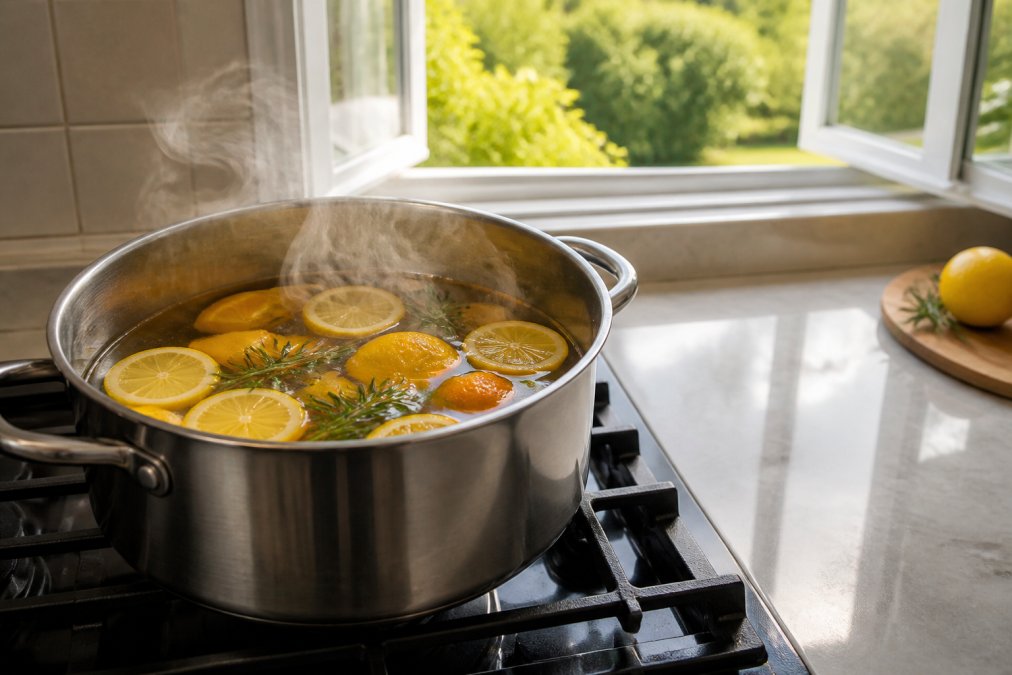
The beauty of this method is that it works while smelling good. Unlike vinegar or baking soda, which have their own strong odors, a simmer pot replaces cooking smells with pleasant aromas. This is especially valuable for families with allergy-sensitive members who might react to harsh chemical air fresheners. The steam also adds moisture to the air, which can help reduce dust and airborne particles, though this is less effective than a dedicated whole-home air purification system.
For best results, start your simmer pot while you're still cooking or immediately after. The combination of heat, steam, and pleasant aromas helps mask remaining cooking smells while the home is still most affected. Keep the water at a gentle simmer, not a rolling boil, to avoid adding excess humidity to your kitchen.
Method 5: Install Charcoal Filters and Air Purifiers
For persistent cooking odors, especially in sealed homes or for families dealing with severe allergies, charcoal filters and air purification systems offer more comprehensive solutions than household methods alone. Activated charcoal absorbs odor molecules at a molecular level, trapping them inside the porous structure of the charcoal. Many portable air purifiers use charcoal filters as part of their filtration system, making them effective for removing cooking odors from individual rooms.
However, portable room purifiers have limitations. They only clean the air in the room they're placed in, and they require regular filter changes, often every 3-6 months depending on usage and air quality. For homes where cooking smells spread throughout multiple rooms, or for families who cook frequently, relying on multiple portable units becomes expensive and maintenance-intensive.
A whole-home air purification system addresses these limitations by cleaning air throughout your entire house continuously. Unlike portable units, a professional whole-home system like Qairbox runs 24/7 without requiring you to move it between rooms or worry about coverage gaps. It's installed out of sight, typically in the attic, so it operates quietly without taking up living space. For homeowners in hot, dusty climates or those with allergy-sensitive family members, a whole-home system provides consistent, comprehensive air quality management that goes far beyond removing cooking smells.
The key difference is scope: portable units treat symptoms in one room, while a whole-home system prevents odors and airborne particles from spreading throughout your home in the first place.
Why Is Indoor Air Quality Important for Your Home
Indoor air quality directly affects your family's health and comfort. The air inside your home can be two to five times more polluted than outdoor air, according to research on indoor environmental quality. This pollution includes cooking odors, dust, pet dander, pollen, volatile organic compounds from cleaning products, and other airborne particles. For families with young children, older adults, or members with allergies or respiratory conditions, poor indoor air quality can trigger symptoms like coughing, sneezing, watery eyes, and difficulty breathing.
Cooking smells are just one contributor to indoor air quality problems. Cumulative exposure to airborne irritants and odors affects sleep quality, concentration, and overall well-being. Homes that are tightly sealed for energy efficiency, common in hot climates, trap these pollutants inside, making the problem worse over time. Without active air purification or regular ventilation, your home's air becomes increasingly stale and contaminated.
Good indoor air quality means your family breathes easier, sleeps better, and experiences fewer allergy and respiratory symptoms. It also protects your home's furnishings and finishes from odor absorption and dust accumulation. Maintaining good air quality isn't just about comfort, it's about health, especially for vulnerable family members.
EPA guidance on indoor air quality emphasizes that managing indoor air quality requires both source control (removing odor sources) and active air circulation or purification. For most homes, a combination of ventilation, household odor-removal methods, and professional-grade air purification delivers the best results.
How to Improve Indoor Air Quality in a House Beyond Quick Fixes
Quick fixes like opening windows or using baking soda address immediate cooking smells, but lasting indoor air quality improvement requires a more comprehensive approach. Start by identifying and minimizing odor sources: use exhaust fans during cooking, clean range hoods regularly to prevent grease buildup, and store pungent foods in sealed containers. These preventive steps reduce the amount of odors entering your home's air in the first place.
Next, establish consistent ventilation habits. Run exhaust fans during and after cooking, open windows regularly even in hot climates, and consider installing a whole-house fan if your home doesn't have one. However, ventilation alone has limits, especially in sealed desert homes where opening windows lets hot air inside and increases cooling costs. This is where active air purification becomes essential.
A whole-home air purification system works continuously to remove odors, dust, pet dander, and other airborne particles. Unlike portable units or household methods, a professional system cleans air throughout your entire home 24/7 without requiring maintenance or manual intervention. For families with allergy-sensitive members, young children, or older adults, this continuous protection significantly improves indoor air quality and reduces respiratory symptoms.
For homeowners in hot, dusty climates, the combination of proper ventilation, household odor-removal methods, and whole-home air purification delivers comprehensive indoor air quality management. Qairbox provides that professional-grade protection, a standalone whole-home air purification system installed in your attic that works quietly and continuously to remove cooking odors, dust, and airborne particles throughout your entire home.
The most effective approach combines immediate odor-removal tactics with long-term air quality management. Use vinegar, baking soda, and simmer pots to handle cooking smells quickly. Maximize ventilation by opening windows and running exhaust fans. And invest in whole-home air purification to ensure your family breathes clean air every day, not just after cooking.
Cooking smells are frustrating, but they're manageable when you understand how they behave and which removal methods work best. For families dealing with persistent odors, especially in sealed homes or with allergy-sensitive members, quick fixes eventually lose their appeal. You end up opening windows repeatedly, replacing filters constantly, or tolerating lingering smells. A whole-home air purification system like Qairbox eliminates that cycle. It runs 24/7 to remove cooking odors, dust, and airborne particles throughout your entire home, improving indoor air quality for your whole family. Learn more about whole-home air purification benefits and schedule a consultation with Qairbox to see how professional-grade purification can transform your home's air quality.
Frequently Asked Questions
How long does it take for cooking smells to go away naturally?
Cooking smells can linger for hours or even days depending on the type of food cooked, your home's ventilation, and how sealed your house is. Fried foods and fish typically leave stronger, longer-lasting odors. Using active methods like vinegar, baking soda, or ventilation can reduce odors to barely noticeable levels within 30 minutes to 2 hours, rather than waiting for natural dissipation.
What household items absorb cooking smells best?
Baking soda is the most effective household absorber, place open bowls throughout the kitchen and affected rooms. Activated charcoal, crumpled newspaper, and coffee grounds also work. Distilled white vinegar neutralizes rather than absorbs, making it ideal for spray applications. For best results, combine methods: use baking soda to absorb while running ventilation and simmering a pot to neutralize airborne particles.
Why do cooking smells linger longer in some homes than others?
Homes with poor ventilation, tight seals (common in desert climates), and porous surfaces like upholstered furniture trap odor molecules longer. Older homes with drafts may air out faster, while modern, well-insulated homes keep odors trapped inside. Air circulation through open windows, fans, and exhaust systems directly impacts how quickly cooking odors dissipate. A whole-home air purification system addresses this by continuously filtering airborne particles and odor molecules throughout your entire house.
What's the difference between masking a cooking smell and neutralizing it?
Masking covers odors with a stronger scent (like candles or air freshener), but the original smell remains. Neutralizing actually removes odor molecules from the air and surfaces. Vinegar, baking soda, and simmering pots neutralize, while essential oil diffusers mask. For lasting freshness, neutralization is more effective, the smell doesn't return when the masking scent fades.