HVAC Air Purification & Energy Efficiency: What Homeowners Should Know
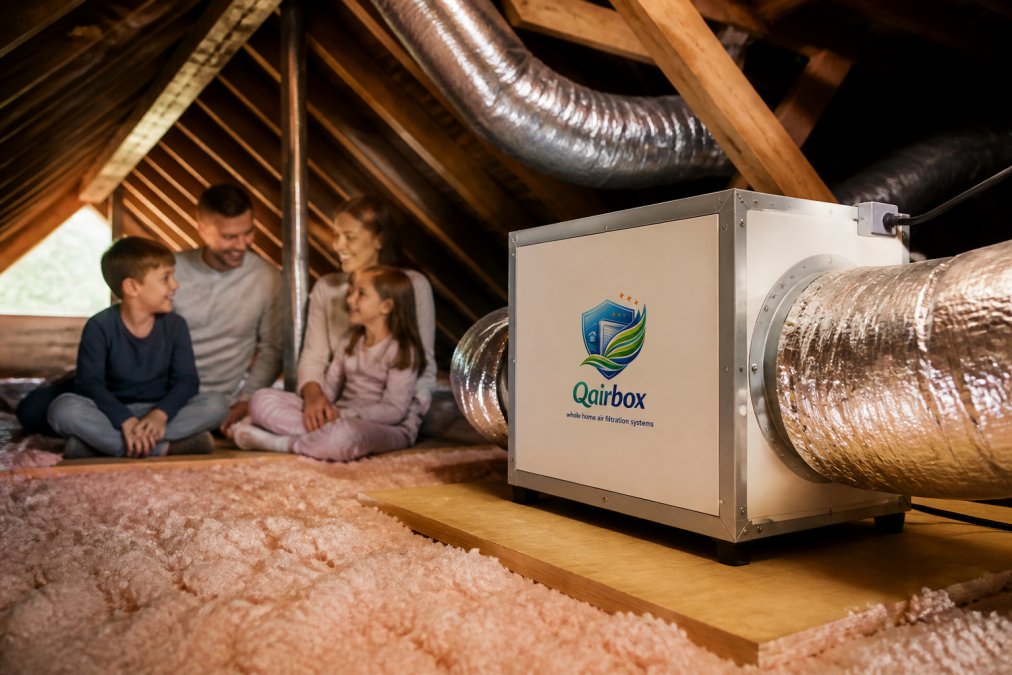
Table of Contents
- How HVAC Air Purification Affects Energy Consumption
- Understanding Static Pressure and HVAC Efficiency
- The Blower Motor Strain: When Filtration Impacts System Performance
- Standalone Whole-Home Air Purification Benefits for Energy Use
- Balancing Air Quality Improvements With Energy Costs
- What You Should Monitor to Protect System Efficiency
- Conclusion
- Frequently Asked Questions
Last Updated: August 28, 2026
How HVAC Air Purification Affects Energy Consumption
When you add air purification to your home, one question inevitably surfaces: will it drive up my energy bills? The answer depends entirely on how that purification system is designed and installed. The relationship between air purification and energy efficiency isn't straightforward, it hinges on static pressure, blower motor load, and whether the system works independently or forces your existing HVAC to do extra work.
Most homeowners assume any air filtration system will strain their heating and cooling setup. That's partially true, but only for certain types of purification. A standalone whole-home air purification system installed in the attic operates on its own power and doesn't touch your existing HVAC infrastructure, which means it won't increase the load on your air handler or blower motor. The key is understanding what happens when filtration IS integrated into your HVAC system, that's where energy consumption becomes a real concern.
When a high-efficiency filter or purification device is installed within your existing ductwork, it increases the resistance to airflow. Your blower motor must work harder to push conditioned air through the system. That increased effort translates directly to higher electricity consumption. The tighter the filter, the greater the static pressure, and the more energy your system burns.
Understanding Static Pressure and HVAC Efficiency
Static pressure is the force your HVAC system must overcome to move air through ductwork, filters, and coils. Think of it as resistance. A standard fiberglass filter creates minimal static pressure. A HEPA-grade filter or integrated purification device creates substantially more. When static pressure rises beyond what your system was designed to handle, efficiency drops and energy consumption climbs.
Most residential HVAC systems are engineered to operate within a specific static pressure range. Exceed that range, and your blower motor works inefficiently. It may run longer to achieve the same air circulation, or it may cycle more frequently. Both scenarios increase electricity demand. The problem intensifies in tightly sealed desert homes, where ductwork is already optimized for minimal air leakage. Adding high-resistance filtration to an already-tight system can push static pressure into problematic territory.
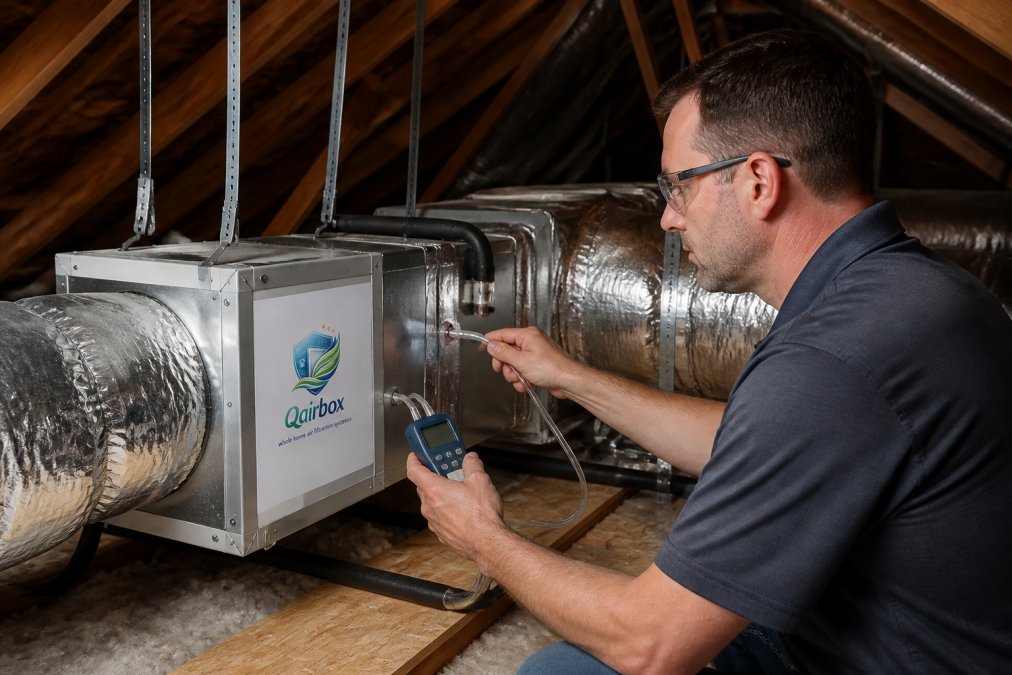
The relationship between static pressure and energy efficiency isn't linear. A modest increase in filter efficiency might add 5-10% to blower motor runtime (peer-reviewed research). A poorly sized or overly restrictive filter could add 25% or more (energy.gov). The difference between a MERV 8 fiberglass filter and a MERV 13 pleated filter is noticeable (ashrae.org). Jump to a HEPA-grade integrated system, and the energy impact becomes significant.
What most homeowners miss is that static pressure affects not just energy consumption, but also the lifespan of your blower motor. A motor working against higher resistance runs hotter and experiences more wear. Over time, this can shorten equipment life and lead to costly repairs. A standalone whole-home air purification system sidesteps this problem entirely because it operates independently, imposing zero additional load on your HVAC blower motor.
The Blower Motor Strain: When Filtration Impacts System Performance
Your HVAC blower motor is engineered to move a specific volume of air at a specific pressure. When you increase the resistance in the system, the motor must compensate. It runs longer, cycles more frequently, or draws more current to maintain airflow. Any of these responses increases energy consumption.
The strain on your blower motor varies depending on several factors. System age matters, older motors are less efficient and struggle more with increased resistance. Ductwork design matters too. Homes with undersized return air paths or restrictive ductwork layouts experience greater static pressure increases when filtration is added. In desert climates, where homes are sealed tightly against heat and dust, the problem is often more pronounced because there's less flexibility in the ductwork to accommodate pressure changes.
High-efficiency filters also interact with your thermostat and HVAC cycles. If static pressure rises enough to reduce airflow below the sensor threshold, your system may perceive a malfunction and cycle more aggressively. This creates a feedback loop: higher static pressure triggers more frequent cycling, which burns more electricity. Over a heating or cooling season, this can meaningfully impact your utility bills.
The blower motor's electrical draw depends on the motor type. Older, fixed-speed motors are particularly vulnerable to efficiency loss under increased static pressure. Modern variable-speed motors are better equipped to handle pressure changes, but they still consume more energy when resistance increases. Some newer systems include smart thermostats that can detect static pressure issues and adjust fan speed accordingly, but this feature is far from universal.
One practical consideration: if your HVAC system was installed 10+ years ago, it likely wasn't designed with high-efficiency filtration in mind. Adding a restrictive filter or integrated purification device to an older system can trigger performance issues, reduced airflow to certain rooms, temperature inconsistencies, or audible noise from the blower struggling against resistance. A standalone whole-home air purification system eliminates this compatibility problem because it doesn't interact with your existing HVAC at all.
Standalone Whole-Home Air Purification Benefits for Energy Use
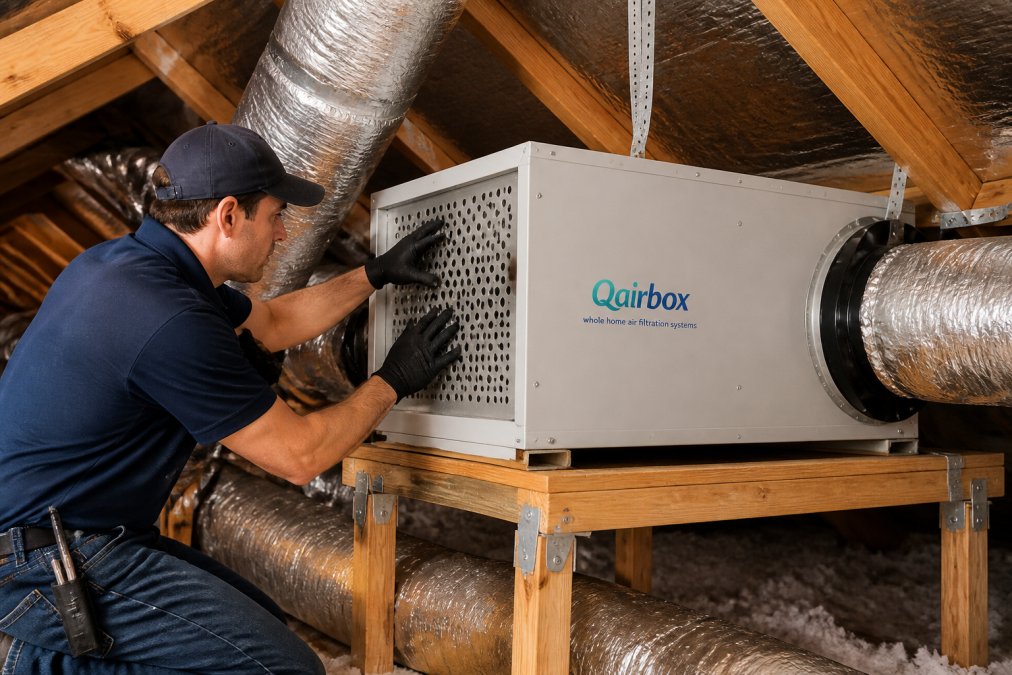
A standalone whole-home air purification system operates completely independently of your HVAC infrastructure. It draws its own power, uses its own blower, and doesn't add any static pressure to your existing heating and cooling system. This architectural difference is fundamental, it means your HVAC blower motor experiences zero additional load.
When a purification system is installed in the attic and operates on its own, it can achieve high filtration efficiency without compromising HVAC performance. Your air handler continues running at its designed efficiency. Your blower motor doesn't work harder. Your electricity consumption from your HVAC system remains unchanged. The purification system consumes its own modest amount of power, but it does so without forcing your air conditioning or heating equipment to compensate.
This independence also means you can choose filtration efficiency without worrying about HVAC compatibility. A standalone system can use hospital-grade purification, capturing particulate matter, odors, and chemical irritants, without creating static pressure problems. In desert homes where dust and airborne contaminants are constant challenges, this matters enormously. You get the air quality improvement you need without the energy penalty that would come from retrofitting your existing system.
The maintenance profile is also cleaner. With an integrated high-efficiency filter, you're managing replacement frequency carefully because a clogged filter increases static pressure and energy consumption. A standalone system handles its own maintenance separately, and you're not juggling two competing concerns, HVAC efficiency and air quality, in a single device.
For allergy-sensitive households, this is particularly valuable. You can run hospital-grade purification continuously, 24/7, without worrying about driving up your HVAC energy consumption. A portable room purifier would require multiple units to cover a whole home, and each would consume electricity independently. A standalone whole-home system delivers comprehensive purification from a single, professionally installed unit that doesn't interfere with your existing equipment.
Balancing Air Quality Improvements With Energy Costs
The core tension in home air purification is real: better air quality often comes at an energy cost. But that's only true if your purification method is integrated into your HVAC system. The moment you add resistance to your ductwork, your system must work harder. The moment you choose a standalone approach, that trade-off disappears.
For homeowners evaluating purification options, the question isn't just "How much will this improve my air quality?" but also "What's the energy impact?" A standard fiberglass filter in your furnace improves air quality minimally and adds almost no static pressure. A MERV 13 pleated filter improves air quality noticeably but adds measurable static pressure. A HEPA-grade integrated system improves air quality dramatically but can significantly increase blower motor workload.
The cost-benefit calculation shifts when you consider a standalone system. You're not trading air quality for energy efficiency because the system operates independently. You can achieve excellent air quality without any HVAC energy penalty. In desert climates where dust and allergen loads are high, and in homes where family members have severe allergies, this independence is often worth the investment.
It's also worth considering seasonal variation. During peak cooling season in summer, your air conditioning system is already working hard against outdoor heat. Adding static pressure through integrated filtration forces it to work even harder. A standalone purification system doesn't exacerbate this problem. During mild shoulder seasons, integrated filtration might have minimal impact on energy consumption. But during peak heating or cooling, the energy penalty becomes real.
Many homeowners also underestimate the value of consistent, high-efficiency purification. A portable room purifier might improve air quality in one bedroom, but it doesn't protect your whole home. Running multiple portable units to achieve whole-home coverage consumes more electricity than a single standalone system. If you're serious about comprehensive air quality improvement for an allergy-sensitive household, the energy math often favors a standalone whole-home solution.
What You Should Monitor to Protect System Efficiency
If you have integrated air purification, a high-efficiency filter in your existing HVAC system, there are several warning signs that static pressure is becoming problematic. Pay attention to your HVAC system's behavior. If your blower motor runs noticeably longer or cycles more frequently than it did before filtration was added, static pressure may be rising. If you notice reduced airflow to certain rooms or temperature inconsistencies, that's another red flag.
Your utility bills are also a diagnostic tool. If your heating or cooling costs increase noticeably after adding high-efficiency filtration, static pressure is likely the culprit. The increase might be 5-15% depending on your system and the filter's efficiency rating. That cost compounds over months and years.
For a standalone whole-home air purification system, monitoring is simpler. You're tracking the system's own performance, whether it's running as designed, whether filters need replacement, whether it's delivering the air quality improvement you expected. You're not managing a complex interaction between purification and HVAC efficiency. The system operates on its own, and your HVAC system continues running at its baseline efficiency.
If you're considering adding purification to an older home or an HVAC system that's already 15+ years old, get a professional assessment first. An HVAC technician can measure your current static pressure, evaluate your system's capacity to handle additional filtration, and recommend whether integrated filtration is feasible or whether a standalone approach makes more sense. This assessment costs relatively little and can save you from inefficiency problems down the line.
Smart thermostats can also help you track HVAC efficiency. Many modern models display runtime, cycling frequency, and estimated energy consumption. If you add filtration and notice these metrics climbing, you have concrete data showing the energy impact. This information helps you decide whether the air quality improvement justifies the energy cost, or whether an alternative approach would serve you better.
Conclusion
The relationship between HVAC air purification and energy efficiency is real but manageable, and it depends entirely on how your purification system is designed. Integrated filtration adds static pressure and forces your blower motor to work harder, increasing energy consumption. A standalone whole-home air purification system eliminates this problem by operating independently, delivering comprehensive purification without any HVAC energy penalty.
For homeowners in desert climates dealing with dust, allergens, and airborne contaminants, this distinction matters. Qairbox's standalone whole-home air purification system is professionally installed in your attic, operates 24/7 on its own power, and reduces odors, particulate matter, and chemical irritants throughout your entire home without adding load to your existing HVAC system. Schedule a consultation to learn how a standalone approach can improve your indoor air quality while protecting your system's efficiency.
Frequently Asked Questions
Q: Do in-duct air purifiers increase HVAC energy consumption?
A: In-duct purifiers that integrate directly into your HVAC system can increase energy consumption because they create static pressure, forcing your blower motor to work harder to push air through. This added strain raises electricity usage. Standalone whole-home air purification systems operate independently, so they don't add resistance to your existing HVAC system, avoiding this energy penalty while still delivering hospital-grade purification throughout your home.
Q: How does air filtration affect the static pressure of an HVAC system?
A: Static pressure is the resistance to airflow within your ductwork and filtration components. High-efficiency filters and integrated purification systems increase static pressure, making your blower motor work harder to maintain airflow. This increases fan speed, operational costs, and system strain. Understanding static pressure measurement helps homeowners choose purification methods that don't compromise HVAC efficiency. Standalone systems avoid this problem by operating separately from your HVAC.
Q: Will adding air purification to my home increase my electricity bills?
A: The impact depends on the type of system. In-duct purifiers integrated into your HVAC increase energy consumption because they add pressure drop, forcing your blower motor to run longer and faster. Standalone whole-home air purification systems have their own independent operation, so they don't strain your existing HVAC or increase the energy burden on your current system. Your electricity bill reflects the purification system's own consumption, not added HVAC strain.
Q: Is a standalone air purification system more energy-efficient than an HVAC-integrated unit?
A: Yes. Standalone systems avoid static pressure problems that plague in-duct purifiers. Because they don't add resistance to your HVAC ductwork, your blower motor doesn't have to work harder, protecting your system's energy efficiency. Standalone whole-home air purification benefits include cleaner air throughout your home without compromising the efficiency of your existing HVAC system. This separation means you get purification and energy savings without trade-offs.