Whole-Home Air Purifier Installation Cost Guide
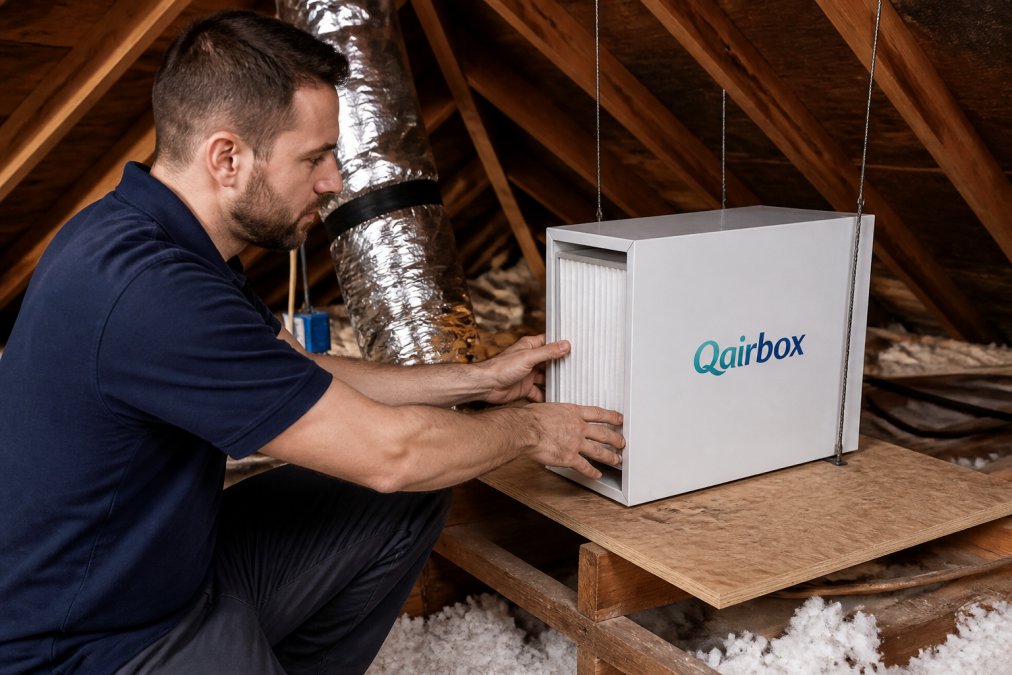
Table of Contents
- What Drives Air Purifier Installation Cost
- Whole Home Air Purification System Cost Breakdown
- System Types and Their Installation Expenses
- Attic-Mounted Air Purifier Benefits vs. Installation Investment
- Labor Costs and Professional Installation Factors
- Long-Term Maintenance and Filter Replacement Expenses
- Compatibility with Your Existing HVAC System
- Frequently Asked Questions
Last Updated: August 26, 2026
What Drives Air Purifier Installation Cost
The cost of installing a whole-home air purification system depends on several interconnected factors that go far beyond the equipment price. Most homeowners underestimate total project expense because they focus only on the unit's sticker price, overlooking labor, system sizing, and long-term maintenance. Understanding what actually drives these costs separates realistic budgeting from sticker shock.
The primary cost drivers include system type, your home's existing infrastructure, installation complexity, and regional labor rates. A standalone whole-home air purification system installed in the attic requires professional installation but avoids costly modifications that other approaches demand. The real expense breakdown typically splits between equipment and professional labor, though this ratio shifts based on your home's age, size, and current air handling setup.
According to the EPA's guidance on indoor air quality, improving whole-home air quality is one of the most effective ways to reduce airborne contaminants, allergens, and odors throughout your residence. For homeowners in hot, dusty climates with tightly sealed homes, this investment directly impacts both health outcomes and property comfort year-round.
Whole Home Air Purification System Cost Breakdown
A complete whole-home air purifier installation involves multiple cost categories that compound over time. Breaking down these expenses helps you understand where your budget actually goes.
Equipment costs vary by system capacity. A standalone whole-home air purification system sized for a typical residence represents a significant upfront investment, but this single unit handles purification for your entire home without requiring multiple room-level devices.
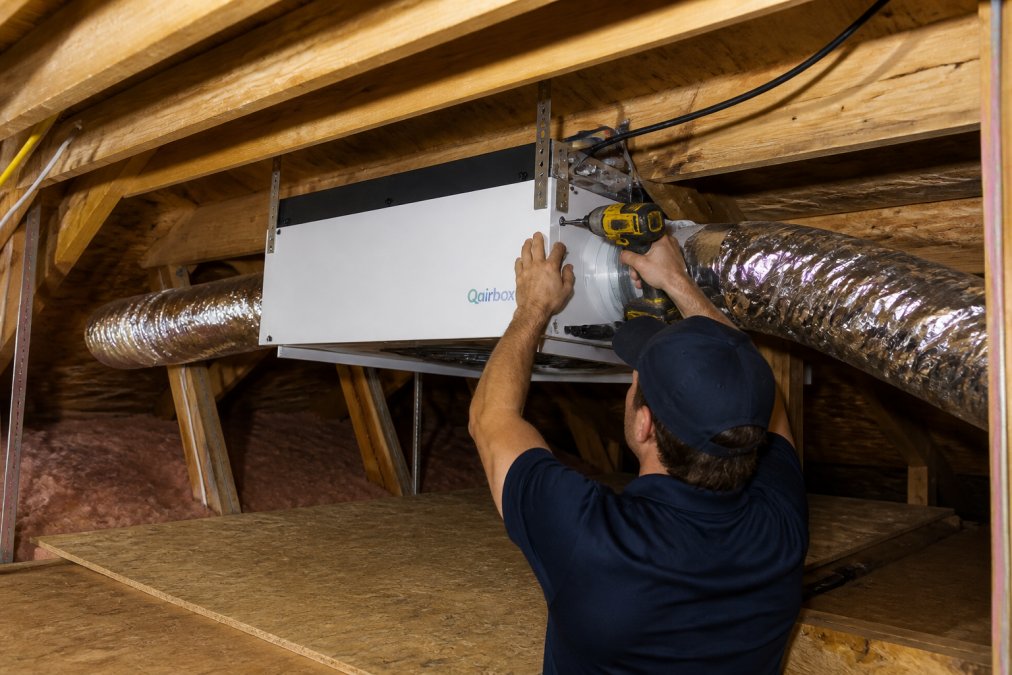
Professional installation labor typically represents the largest expense category. Technicians must assess your home's air handling requirements, determine optimal system placement in the attic for out-of-sight operation, and ensure proper integration with your existing air circulation.
Permits and inspections are required in most jurisdictions. Your contractor handles securing necessary permits from local building departments, and inspectors verify that installation meets code requirements.
Additional modifications may be necessary depending on your home's current state. Some installations require minor electrical work to power the system or modifications to your home's air return pathways. Homes with older construction often face higher modification costs than newer builds.
Filter replacement and maintenance supplies should be factored into your long-term budget. Replacement filters represent an ongoing annual or semi-annual expense depending on your home's air quality demands and system usage patterns.
System Types and Their Installation Expenses
Different whole-home air purification approaches carry distinctly different installation requirements and total cost profiles.
Standalone Attic-Mounted Systems
A standalone whole-home air purification system installed in your attic represents a modern approach that keeps equipment completely out of sight while delivering hospital-grade filtration throughout your residence. This system type operates independently without connecting to or modifying your existing HVAC or central air conditioning system, making it ideal for homeowners who want whole-home air quality improvement without disrupting their current heating and cooling setup.
Installation of an attic-mounted system is straightforward because it requires no modifications to your home's HVAC infrastructure. The technician accesses your attic, secures the unit to the structure, connects intake and distribution ducting, and establishes electrical power. For homes with accessible attics and standard construction, installation typically completes in a single day.
The primary advantage is simplicity and independence. Your existing HVAC system continues operating exactly as before, while your standalone purification system runs on its own 24/7 schedule. This separation means you maintain full control over your cooling and heating without compromise, and the quiet operation in the attic keeps your living spaces undisturbed.
Attic-mounted systems work exceptionally well in hot, tightly sealed desert homes where air circulation patterns are predictable and consistent. The out-of-sight installation appeals to homeowners who prioritize clean aesthetics. For families with allergy-sensitive members or homes with young children, this whole-home approach eliminates the clutter and maintenance burden of managing multiple room-level units.
In-Duct HEPA Filtration
In-duct HEPA filtration systems integrate directly into your existing HVAC ductwork, requiring your furnace blower or air handler to circulate air through the filter media. Installation involves cutting into your ductwork and installing the filter housing. Older HVAC systems may require upgrades to handle the additional static pressure created by HEPA media, potentially adding cost and complexity.
The main limitation is dependency on your furnace blower. When your heating or cooling system isn't running, no air passes through the filter. In mild seasons when you're not actively heating or cooling, your home's air quality remains unfiltered unless you manually run your system's fan setting continuously, which increases energy consumption.
UV Germicidal Systems
UV germicidal systems use ultraviolet light to neutralize bacteria, viruses, and mold spores as air passes through. These systems can be installed in-duct, mounted in attic spaces, or integrated into existing HVAC equipment. UV light doesn't capture particles, it only inactivates microorganisms, so UV systems often work in combination with mechanical filtration for comprehensive air quality improvement.
Installation varies by configuration. Standalone UV systems mounted in attic spaces can operate independently of your HVAC system, making them compatible with your existing setup without modifications.
UV systems excel at addressing biological contaminants, mold, bacteria, and certain viruses, but they don't remove dust, pollen, or chemical odors. For comprehensive whole-home air quality improvement, UV is most effective when combined with mechanical filtration.
Attic-Mounted Air Purifier Benefits vs. Installation Investment
The decision to install a whole-home air purification system hinges on comparing the upfront installation investment against the long-term benefits your household will realize. For many homeowners, especially those in hot, dusty climates with tightly sealed homes, the return on investment becomes clear within the first year of operation.
Standalone attic-mounted systems deliver several advantages that justify their installation cost. First, they provide consistent, whole-home air quality improvement without requiring your HVAC system to operate continuously. Your cooling and heating systems maintain their original efficiency and lifespan because they're not forced to work harder than necessary. This independence means your air purification operates on its own schedule, maintaining clean air 24/7 regardless of whether you're actively heating or cooling your home.
Second, the out-of-sight installation preserves your home's aesthetics. Unlike portable room purifiers that occupy floor or furniture space, an attic-mounted system keeps equipment completely hidden while delivering purification throughout every room.
Third, whole-home systems reduce maintenance burden compared to managing multiple room-level units. A single professional-grade system requires less frequent attention than maintaining filters across several portable devices scattered throughout your home.
The health benefits for allergy-sensitive households are substantial. Whole-home systems continuously filter airborne particles, dust, pollen, and odors throughout your residence, not just in one room. Families with young children or older adults particularly benefit from this comprehensive approach, as it reduces exposure to allergens and irritants across all living spaces.
Energy efficiency represents another long-term advantage. A standalone system operates only when needed for purification, without forcing your HVAC system to run unnecessarily. Over time, this efficiency gain offsets some of the installation cost through reduced energy consumption compared to running your furnace blower continuously to achieve similar filtration levels.
The initial installation investment typically pays dividends through improved indoor air quality, reduced allergy symptoms, elimination of odors, and the peace of mind that comes from knowing your entire home's air is being actively purified.
Labor Costs and Professional Installation Factors
Professional installation labor comprises the largest portion of your total whole-home air purifier installation cost. Understanding what drives these expenses helps you evaluate contractor quotes realistically.
Technician expertise and licensing directly impact labor rates. Technicians with specialized training in air quality systems and whole-home purification typically command higher rates than general HVAC service personnel. Licensing requirements vary by state and locality, but most jurisdictions require licensed contractors for professional installation work.
Project complexity significantly affects labor hours and total cost. A straightforward attic installation in a newer home with accessible attic space might require 4-6 hours of labor (peer-reviewed research). Older homes with challenging attic access or unusual construction can easily double labor requirements.
Regional labor rates vary substantially across different areas. Metropolitan areas and regions with higher costs of living typically charge more per labor hour than rural areas. When comparing quotes, verify that labor rates are specific to your locality.
Permit and inspection coordination adds labor beyond the actual installation work. Your contractor must submit permit applications, schedule inspections at appropriate project stages, and coordinate with local building departments.
Additional site preparation sometimes requires extra labor. If your attic requires cleaning or debris removal before system installation, these tasks add labor hours. Some homes need electrical work to provide dedicated circuits for the purification system.
Long-Term Maintenance and Filter Replacement Expenses
The true cost of whole-home air purification extends far beyond installation. Filter replacement and ongoing maintenance represent significant recurring expenses that homeowners must budget for over the system's lifetime.
Filter replacement frequency depends on your home's air quality conditions, system usage, and filter type. In dusty or high-pollen environments, filters may require replacement every 3-6 months. Homes with pets, active cooking, or other sources of airborne contaminants often need more frequent replacements.
Filter costs vary by system type and brand. Your initial installation should include information about filter availability and typical replacement costs so you can budget accurately.
Professional maintenance occasionally becomes necessary. While whole-home systems require less frequent service than portable units, professional technicians should inspect your system annually to ensure optimal performance.
Energy consumption represents an ongoing operational cost. Standalone attic-mounted systems consume electricity to operate their fans and filtration components. Well-sealed homes in hot climates often run purification systems more continuously, increasing energy expenses compared to homes in milder climates.
System longevity affects total cost of ownership. Quality whole-home systems typically last 10-15 years with proper maintenance (the NIH). Understanding your system's expected lifespan helps you calculate annual costs and plan for eventual replacement or upgrade.
Many homeowners find that the improved indoor air quality, reduced allergy symptoms, and elimination of odors justify these ongoing maintenance expenses.
Compatibility with Your Existing HVAC System
One of the most important considerations when evaluating whole-home air purifier installation cost is understanding how your new system will interact with your home's existing heating and cooling infrastructure.
Standalone systems require no HVAC modifications. A standalone whole-home air purification system operates completely independently from your existing HVAC or central air conditioning. Your furnace, air handler, and ductwork continue functioning exactly as before. This independence means you avoid expensive modifications that in-duct systems often demand. Your existing HVAC system maintains its original efficiency rating, warranty compliance, and operational characteristics.
Age of your current HVAC system matters when considering alternatives. Older furnace blowers may struggle with the additional static pressure created by high-resistance filters, potentially requiring upgrades. Newer HVAC systems typically handle standard filtration media without issue. If your HVAC system is nearing the end of its service life, a standalone system is a wiser choice.
Ductwork condition influences compatibility decisions. Homes with poorly sealed or deteriorating ductwork may experience bypass issues with in-duct filters. Standalone systems avoid this problem entirely by operating independently.
Central air conditioning efficiency should remain your priority. Your existing cooling system is engineered to operate within specific parameters. Adding high-resistance filters or other modifications can reduce cooling efficiency and increase energy consumption. Standalone whole-home systems preserve your air conditioning efficiency while delivering comprehensive purification.
Thermostat integration differs between system types. Standalone systems often include their own controls and scheduling capabilities, allowing you to run purification independently from your heating and cooling cycles. For comprehensive air quality improvement, the independence of standalone systems offers superior flexibility.
Many homeowners discover that maintaining their existing HVAC system's integrity and efficiency, combined with the benefits of a standalone whole-home purification approach, provides the best long-term value.
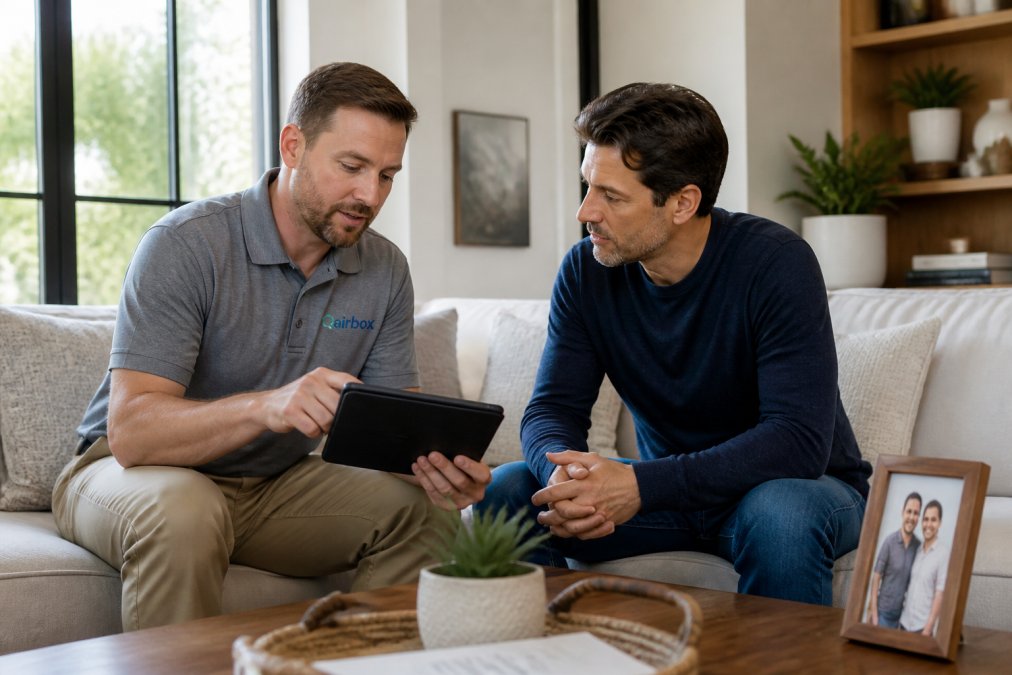
Choosing a whole-home air purification system represents an investment in your home's indoor air quality and your family's health. For homeowners in hot, dusty climates with tightly sealed homes, or families with allergy-sensitive members, this investment delivers measurable improvements in daily comfort and well-being. Qairbox specializes in standalone whole-home air purification systems professionally installed in your attic, delivering hospital-grade purification throughout your entire residence without modifying your existing HVAC system. The system runs quietly 24/7, reduces odors and airborne particles, and requires minimal maintenance compared to managing multiple room-level units. Schedule a consultation with Qairbox to assess your home's air quality needs and receive a detailed installation cost estimate specific to your situation.
Frequently Asked Questions
Can I add an air purifier to my existing HVAC system without major modifications?
That depends on the system type. Standalone whole-home air purification systems operate independently and don't require modifications to your existing HVAC or central A/C. They're installed separately, often in the attic, so your current system remains untouched. Other options like in-duct systems may require ductwork modifications. Always consult with a professional contractor to assess your home's specific setup before committing to installation.
What is the average cost to install a whole-home air purification system?
Installation costs vary based on system type, home square footage, labor rates in your area, and whether ductwork modifications are needed. Equipment costs range widely depending on filtration technology (HEPA, UV, media filters), while professional installation labor depends on complexity and local contractor rates. For accurate pricing tailored to your home, request estimates from qualified HVAC contractors who can assess your specific needs.
How often do whole-home air purification systems require maintenance and filter replacement?
Maintenance schedules depend on the system type and your home's air quality. Most HEPA filtration systems require filter replacement every 6 to 12 months, though high-dust environments may need more frequent changes. UV systems typically need lamp replacement annually. Standalone attic-mounted systems generally have lower maintenance burdens than multiple room units because there's just one system to service. Check your system's manual for specific maintenance intervals.
Will adding a whole-home air purification system affect my energy bills?
Standalone whole-home systems designed for energy efficiency have minimal impact on utility costs since they operate independently without straining your existing HVAC. Some systems are engineered to work with your home's natural air circulation, reducing the load on your main system. However, energy consumption varies by system type and runtime. A professional installer can provide estimates based on your specific equipment and usage patterns.